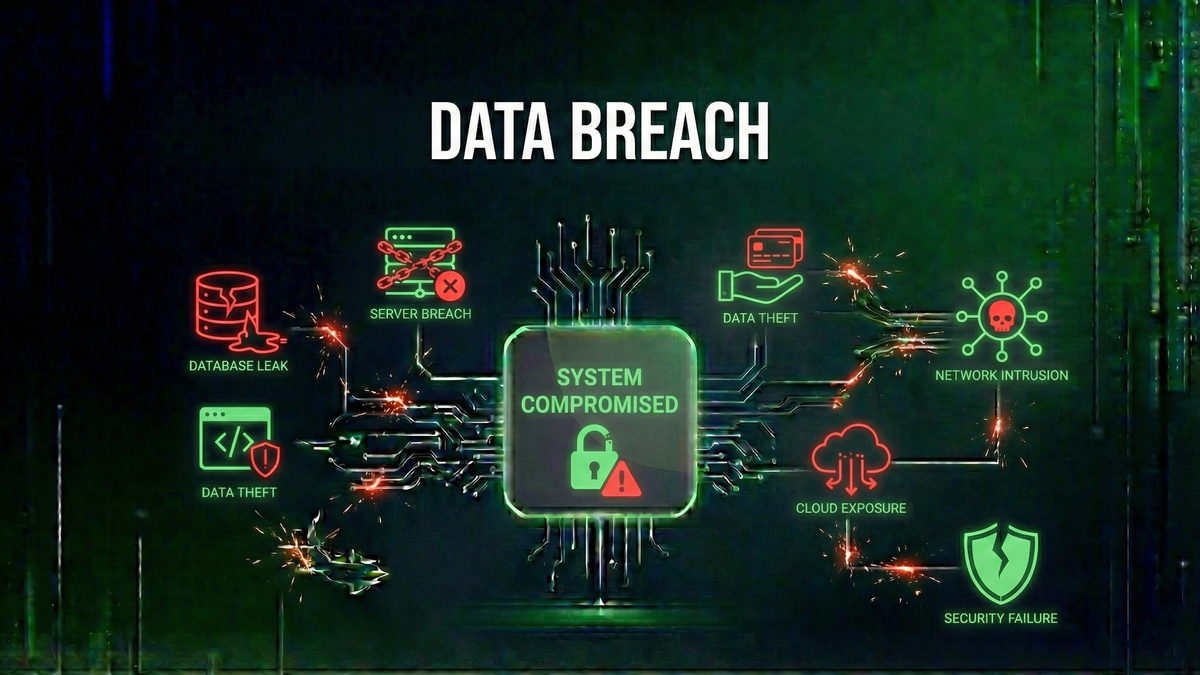
What to Do After a Data Breach: A Complete Response Guide
Learn the essential steps to protect yourself after your personal information has been exposed in a data breach, from credit freezes to identity monitoring.
Receiving a data breach notification letter is unsettling. Whether it is the recent 700Credit breach affecting 5.8 million people or any of the countless other breaches that occur each year, learning that your personal information has been exposed to criminals is alarming. However, taking prompt and decisive action can significantly reduce your risk of becoming a victim of identity theft or financial fraud.
This guide provides a step-by-step response plan for data breach victims. Whether your Social Security Number, credit card information, medical records, or login credentials were exposed, you will learn exactly what to do to protect yourself and minimize potential damage.
First 24 Hours: Immediate Actions
The hours and days immediately following a breach notification are critical. Here is what you should do right away:
Verify the Breach Notification is Legitimate
Before taking any action, confirm that the breach notification is real. Criminals often send fake breach notifications as phishingPhishing🛡️A social engineering attack using fake emails or websites to steal login credentials or personal info. attacks. Verify by visiting the company's official website directly (do not click links in the email or letter) and looking for breach announcements. You can also call the company using a phone number from their official website.
Understand What Was Exposed
Different types of exposed data require different responses. Review the breach notification carefully to understand exactly what information was compromised:
Enroll in Offered Protection Services
Most breach notifications include an offer of free credit monitoring or identity protectionIdentity Protection🛡️A Microsoft Entra IDMicrosoft Entra ID🛡️Microsoft's cloud-based identity and access management service (formerly Azure Active Directory), providing authentication, SSO, and security features for Microsoft 365Microsoft 365🌐Microsoft's subscription-based cloud productivity suite including Office applications, Exchange Online, SharePoint, and Teams. and other applications. Premium feature that uses machine learning to detect risky sign-ins and user behaviors, automatically enforcing remediation like MFA challenges or password resets. services. Enroll immediately—these services typically have enrollment deadlines. For example, 700Credit is offering 12 months of TransUnion identity protection with a 90-day enrollment window. Even if the offered service is not the most comprehensive available, it provides an immediate layer of protection at no cost.
Protecting Your Credit
If your Social Security Number was exposed (as in the 700Credit breach), protecting your credit should be your top priority. Criminals use stolen SSNs to open fraudulent credit accounts, take out loans, and commit tax fraud.
Place a Credit FreezeCredit Freeze📖A security measure that restricts access to your credit report, preventing creditors from viewing it and effectively blocking the opening of new credit accounts in your name.
A credit freeze (also called a security freeze) is the most powerful protection against identity theft. When you freeze your credit, potential creditors cannot access your credit report, which prevents anyone—including you—from opening new credit accounts. You must freeze your credit at all three major bureaus:
Credit freezes are free by federal law. When you place a freeze, you will receive a PIN or password that you need to temporarily lift (thaw) the freeze when you legitimately want to apply for credit. Keep this PIN in a safe place.
Consider a Fraud Alert
A fraud alert is less restrictive than a credit freeze. It requires creditors to verify your identity before opening new accounts but does not block access to your credit report. You only need to place a fraud alert at one bureau—they are required to notify the other two. An initial fraud alert lasts one year and is free.
If you have already been a victim of identity theft, you can place an extended fraud alert that lasts seven years. This requires a police report or FTC identity theft report.
Review Your Credit Reports
Request free copies of your credit reports from AnnualCreditReport.com—the only official site for free credit reports. Review each report carefully for:
If you find fraudulent activity, dispute it with the credit bureau immediately and file an identity theft report with the FTC at IdentityTheft.gov.
Protecting Your Financial Accounts
Beyond credit monitoring, you should take steps to protect your existing financial accounts:
Set Up Account Alerts
Enable real-time alerts for all your bank accounts and credit cards. Most financial institutions allow you to receive notifications for transactions above a certain amount, any international transactions, any online purchases, or any card-not-present transactions. These alerts help you catch fraudulent activity immediately.
Review Statements Carefully
Check your bank and credit card statements weekly for the first few months after a breach. Look for small test charges—criminals often make small purchases first to verify a card works before making larger fraudulent purchases. Report any unauthorized transactions to your financial institution immediately.
Update Passwords
If login credentials were exposed, change your passwords immediately—not just for the breached service but for any other accounts where you used the same or similar passwords. This is a good time to adopt a password managerPassword Manager🛡️Software that securely stores and auto-fills passwords, generating strong unique passwords for each account. and enable two-factor authentication on all accounts that support it.
Protecting Against Tax Fraud
When your SSN is exposed, tax fraud becomes a significant risk. Criminals file fraudulent tax returns using stolen SSNs to claim refunds. To protect yourself:
If you receive an IRS notice about a tax return you did not file, respond immediately and follow the IRS identity theft procedures.
Watch Out for Targeted Phishing
After a data breach, expect an increase in phishing attempts. Criminals may use the exposed information to craft convincing scams. They might:
Always verify the identity of anyone contacting you about the breach. Legitimate companies will not ask for sensitive information via email or unsolicited phone calls.
Long-Term Protection
Data breach exposure requires ongoing vigilance, especially when sensitive data like Social Security Numbers is involved. Unlike credit card numbers that can be replaced, your SSN follows you for life. Implement these long-term protective measures:
Quick Response Checklist
Use this checklist to ensure you have taken all necessary steps:
Key Takeaways
Discovering your personal information has been exposed in a data breach is stressful, but prompt action can significantly reduce your risk. Remember:
Keep Learning
Frequently Asked Questions
What authentication methods are most secure?
Multi-factor authentication (MFA) using hardware security keys or authenticator apps provides the strongest protection. Avoid SMS-based verification when possible, and use a password manager for unique, complex passwords.
Who should read this What to Do After a Data Breach guide?
This beginner-level guide is written for IT professionals, security analysts, and system administrators working in cybersecurity. Beginners will find foundational concepts, while experienced practitioners can use it as a reference.
What will I learn from this article?
Learn the essential steps to protect yourself after your personal information has been exposed in a data breach, from credit freezes to identity monitoring.
Where can I learn more about cybersecurity?
Check the Related Content section below for additional articles on this topic. Our Learn hub and Glossary provide in-depth explanations of key terms and concepts.
Related Reviews

REOLINK 4K Security Camera System Review: Professional PoE Surveillance at DIY Prices
The REOLINK 4K PoE security system delivers 8MP clarity, smart person/vehicle detection, 24/7 recording with 4TB storage, and plug-and-play installation for comprehensive home surveillance.
Ring Outdoor Cam Pro Review: 4K Security Camera with Radar-Powered Motion Detection
The Ring Outdoor Cam Pro delivers Retinal 4K video, 10x enhanced zoom, Low-Light Sight for true color night vision, and radar-powered 3D motion detection for precise security alerts.
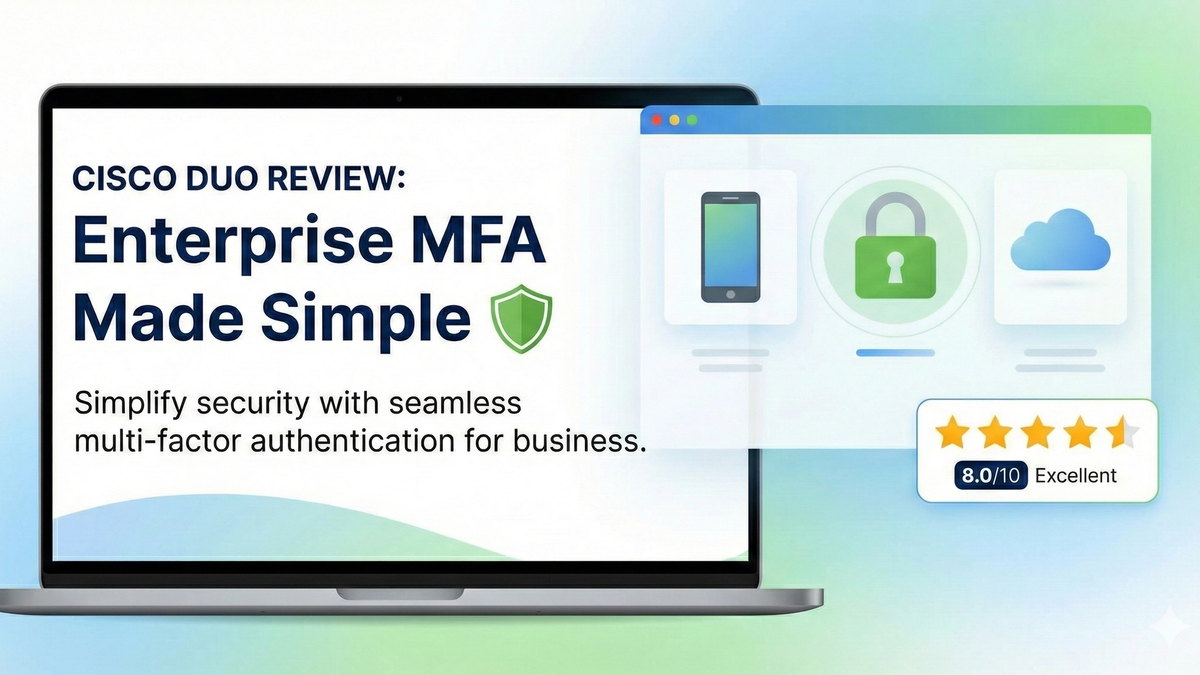
Cisco Duo Review: Enterprise MFA Made Simple
Cisco Duo delivers robust multi-factor authentication with one of the smoothest user experiences in the enterprise MFA space. While pricing can escalate quickly for larger teams, its device trust and adaptive policies make it a solid choice for security-conscious organizations.